Source Electric Commercial Tartlet Shell Maker for Biscuit, Ice Cream, and Bakery
Find and compare 30 electric commercial tartlet shell maker options from China. These automatic machines, often featuring PLC control and stainless steel construction, support high-throughput production for biscuit, ice cream, and bakery applications.
Key considerations
Products List


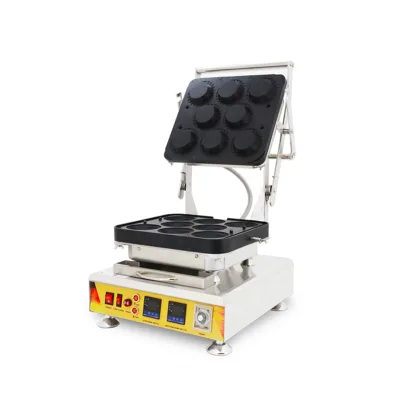
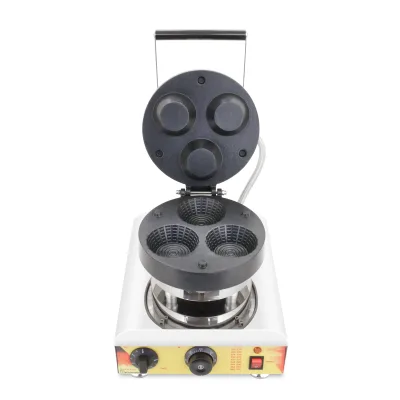


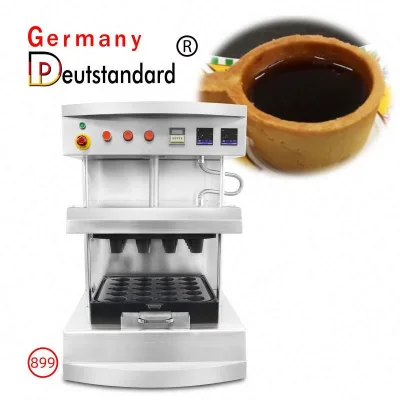
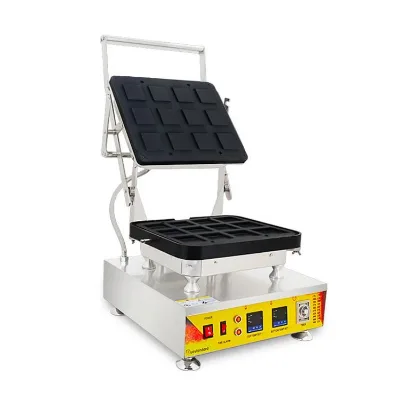


Comprehensive Sourcing Guide
Electric Commercial Tartlet Shell Maker Sourcing Guide
Sourcing an electric commercial tartlet shell maker requires a careful balance between production throughput, material durability, and operational flexibility. These machines are designed to automate the formation of pastry shells, a critical step in high-volume bakeries, ice cream parlors, and specialized dessert manufacturers. The core value proposition lies in the machine’s ability to consistently produce uniform tart shells with minimal manual intervention, thereby reducing labor costs and increasing output. Buyers must evaluate how the specific model aligns with their facility’s power infrastructure and spatial constraints, ensuring that the equipment integrates seamlessly into existing production lines without causing bottlenecks.
The market for these machines is characterized by a wide range of specifications, from compact units suitable for small-scale artisanal production to high-capacity industrial rollers designed for mass manufacturing. Observed listings indicate a significant variance in pricing and capacity, reflecting differences in motor power, control systems, and build quality. Understanding these variations is essential for making an informed procurement decision. Buyers should focus on verifying the actual throughput rates and energy consumption metrics rather than relying solely on marketing claims, as these factors directly impact the total cost of ownership and operational efficiency over the machine’s lifespan.
Product Scope and Observed Listing Signals
The product scope for electric commercial tartlet shell makers encompasses a variety of configurations, including automatic roller types and specialized shell formers. Listings frequently highlight key attributes such as stainless steel construction, which is vital for hygiene and durability in food processing environments. The observed data suggests that many units are built with automatic grades, featuring PLC control systems for precise operation. This automation level allows for consistent sizing and shaping of the tart shells, which is crucial for maintaining product quality across large batches. Buyers should look for models that offer customizable plates, allowing for adjustments in shell diameter and depth to meet specific recipe requirements.
Observed listing signals reveal a broad price range, with some units starting at lower price points while others reach significantly higher thresholds, indicating a spectrum of capabilities and build qualities. The minimum order quantity (MOQ) for these machines is typically low, often starting at just one set, which facilitates easier entry for smaller businesses or those testing new production lines. Additionally, packaging methods vary, with options including wooden packing and export-standard containers, which are important considerations for international shipping and protection during transit. Buyers must carefully review these logistical details to ensure that the machine arrives in optimal condition and that the associated shipping costs are factored into the overall budget.
Technical Specifications to Verify
When evaluating technical specifications, the power source and voltage requirements are paramount. Most observed models operate on electric power, with common voltage configurations including 220V single-phase and 380V three-phase options. It is critical to verify that the machine’s electrical requirements match the available infrastructure at the installation site to avoid costly modifications or operational failures. The power consumption, often listed around 1.5kW to 2.0HP for the main motor, should be cross-referenced with the expected throughput to ensure energy efficiency. Buyers should also inquire about the control system, with PLC-based controls being a preferred feature for their reliability and ease of use in automated settings.
Dimensions and physical specifications are equally important for facility planning. Observed models often have dimensions such as 840mm in length, 690mm in width, and 1500mm in height, which must fit within the designated production area. The weight of the machine, ranging from approximately 30kg to 32kg net, affects installation stability and floor load requirements. Additionally, the production capacity, observed in the range of 1500-1800 pieces per hour, is a key performance indicator that should be validated under actual operating conditions. Buyers should request detailed technical drawings and power consumption charts to ensure that the machine meets their specific production volume and spatial needs.
Compliance and Safety Documentation
Compliance with safety and quality standards is non-negotiable for commercial food processing equipment. Buyers should verify that the machine holds relevant certifications, such as CE marking, which indicates conformity with health, safety, and environmental protection standards for products sold within the European Economic Area. While ISO certifications like ISO9001 are often mentioned in the background, buyers must confirm the specific scope and validity of these certifications with the supplier. Documentation should include detailed user manuals, electrical schematics, and maintenance guides that comply with local regulatory requirements in the buyer’s region.
Safety features integrated into the machine design are crucial for protecting operators and ensuring consistent performance. Buyers should inquire about emergency stop mechanisms, protective guards, and interlock systems that prevent operation when maintenance panels are open. The use of food-grade stainless steel for components that come into contact with the product is a standard requirement that must be verified through material certificates or visual inspection. Additionally, buyers should ensure that the supplier provides clear instructions for cleaning and sanitation procedures to maintain hygiene standards and prevent cross-contamination in the production environment.
Cost Drivers and Commercial Terms
The cost of an electric commercial tartlet shell maker is influenced by several factors, including the complexity of the control system, the quality of materials used, and the production capacity. Machines with advanced PLC controls and higher throughput rates typically command higher prices. Buyers should also consider the cost of customization, such as the ability to change plates for different shell sizes, which may incur additional fees. The observed price range suggests that significant variations exist based on these features, so buyers should request detailed breakdowns of costs to understand what is included in the base price.
Commercial terms, including payment methods, shipping arrangements, and warranty coverage, play a significant role in the total procurement cost. Buyers should negotiate clear terms regarding after-sales service, such as video technical support or field installation and training, which can reduce downtime and ensure proper operation. The warranty period and the availability of spare parts are critical considerations, as unexpected repairs can lead to significant production losses. Buyers should also clarify the responsibilities for shipping and insurance, especially for international orders, to avoid hidden costs and ensure that the machine is delivered safely and on time.
Supplier Qualification and Quality Control
Supplier qualification is a critical step in ensuring the reliability and longevity of the purchased equipment. Buyers should assess the supplier’s manufacturing capabilities, quality control processes, and track record in the industry. Requesting references from previous clients and visiting the manufacturing facility, if possible, can provide valuable insights into the supplier’s operational standards. Buyers should also verify the supplier’s ability to provide comprehensive technical support and training, which are essential for the successful integration of the machine into the production line.
Quality control measures should be implemented throughout the procurement process, from initial sampling to final delivery. Buyers should request video outgoing-inspections or third-party quality audits to verify that the machine meets the specified technical requirements before shipment. Clear acceptance criteria should be established, including performance tests for throughput, consistency, and energy consumption. Buyers should also ensure that the supplier provides a detailed inspection report and that any discrepancies are addressed before the final payment is released. This proactive approach helps mitigate risks and ensures that the purchased equipment performs as expected.
Long-Term Procurement Checks
Long-term procurement success depends on establishing a robust maintenance and support framework for the electric commercial tartlet shell maker. Buyers should develop a preventive maintenance schedule that includes regular cleaning, lubrication, and inspection of critical components such as the motor, gears, and control systems. Keeping a log of maintenance activities and any issues encountered can help identify patterns and prevent future failures. Buyers should also ensure that they have access to a reliable supply of spare parts, particularly for high-wear items, to minimize downtime during unexpected repairs.
Continuous improvement and feedback loops are essential for optimizing the performance of the machine over time. Buyers should monitor key performance indicators, such as production yield, defect rates, and energy consumption, to identify areas for improvement. Regular communication with the supplier for technical updates or software enhancements can help keep the machine operating at peak efficiency. Additionally, training operators on best practices for machine operation and troubleshooting can empower the production team to handle minor issues independently, further enhancing operational resilience and productivity.
FAQs
What power source options are available for this machine?
The machine is available with both electric and gas power sources. Electric models typically operate at 220V or 380V with a 1.5kw motor, while gas options exist for specific thermal processing needs in biscuit production lines.
Can the machine be customized for specific production needs?
Yes, customization is available for this tart shell maker. Buyers can request specific configurations, and the equipment supports automatic operation with stainless steel materials to ensure durability and hygiene during the thermal processing of biscuits.
Which certifications does the manufacturer hold for this equipment?
The product holds ISOCE and CE certifications. These standards ensure the machine meets specific safety and quality requirements for industrial food processing equipment, providing assurance for buyers sourcing from Chinese manufacturers in Henan or Guangzhou.
How is the machine packed for international shipping?
The equipment is packed in wooden packages or containers as per export standards. This robust packaging protects the stainless steel components during transit, ensuring the machine arrives safely for field installation and commissioning at the buyer's facility.
What is the typical production capacity of this tart shell maker?
The machine offers a capacity of 1500 to 1800 pieces per hour. This high throughput makes it suitable for commercial applications, allowing efficient production of tart shells and biscuits while maintaining consistent quality through its automatic operation mode.
What after-sales services are provided with the machine?
After-sales support includes video technical assistance and field installation services. Buyers also receive commissioning and training to ensure proper operation, though video outgoing inspections are not available for this specific model configuration.